Kenya sets ambitious energy expansion with new national policies and transport financing
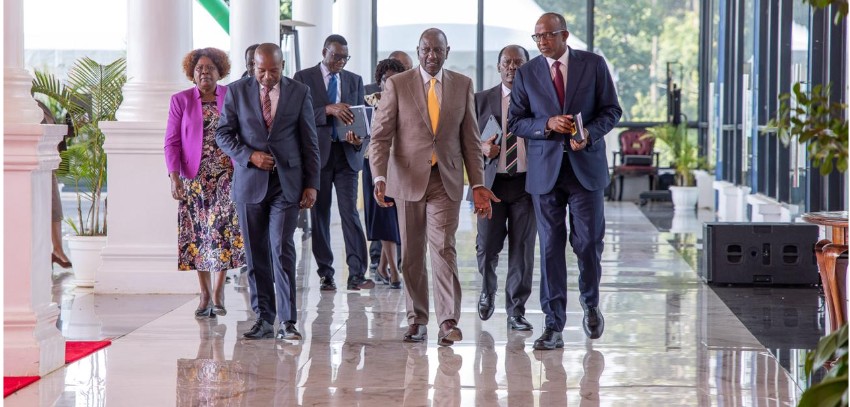
The Cabinet has approved new energy and petroleum policies and a transport financing model, as President Ruto cites daily load-shedding and targets 10,000MW capacity and revived road and rail projects.
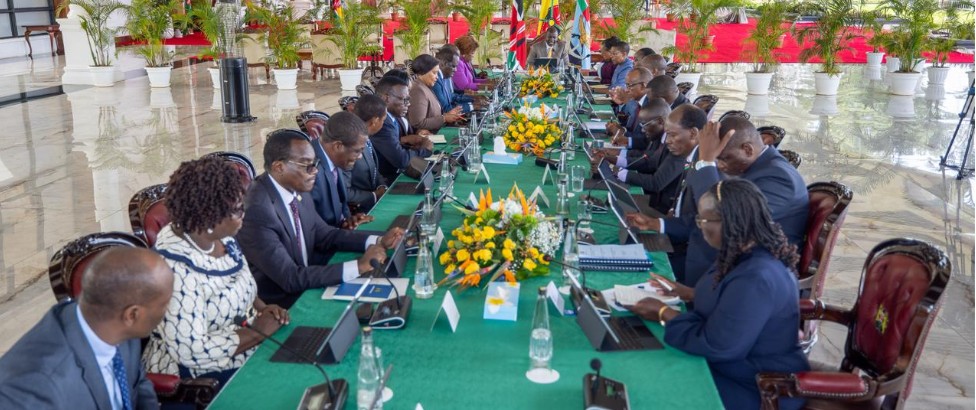
In a bid to expand electricity access and modernise the country’s power and transport infrastructure, the Cabinet has approved the National Energy Policy and the National Petroleum Policy, alongside an innovative financing model for major transport projects.
The National Energy Policy is designed to guide sector reforms and accelerate access to modern, reliable, and sustainable energy.
More To Read
- Kenya Power faces critical staff shortages as over 2,700 employees to retire by 2026
- Kenya’s human rights fraternity lauds posthumous EBS award for Pheroze Nowrojee
- Parallel statements expose deepening rift in 'United Opposition'
- President Ruto pitches National Infrastructure Fund as engine for long‑term growth
- Consumers to get more units for less as electricity tariffs decline
- Government targets Kenyan travellers in Jamhuri Week drive to revive tourism sector
According to a Cabinet dispatch, it addresses challenges such as low electricity access, reliance on traditional biomass, unreliable supply, limited investment, and climate risks.
“The policy also promotes renewable energy, private sector participation and climate-resilient development,” the dispatch reads.
The Cabinet also endorsed the National Petroleum Policy, updating the outdated 2004 framework to align with the Constitution and recent oil discoveries.
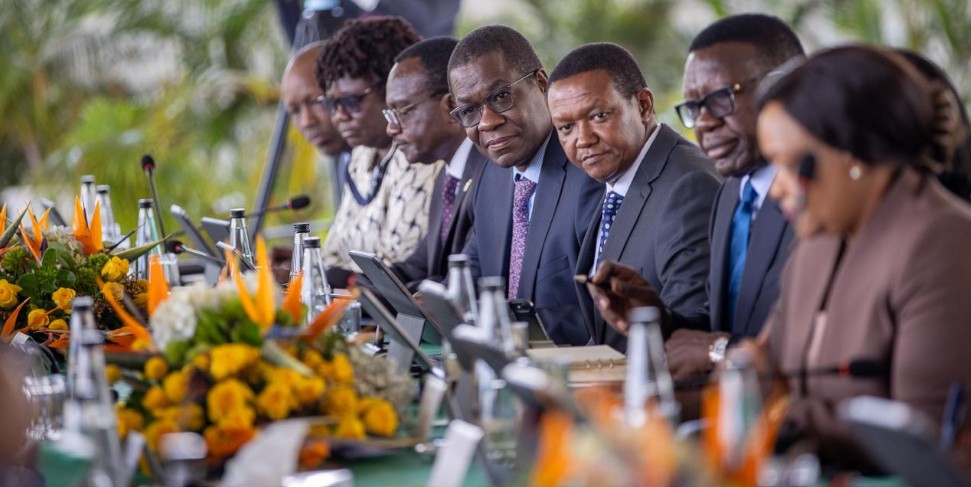
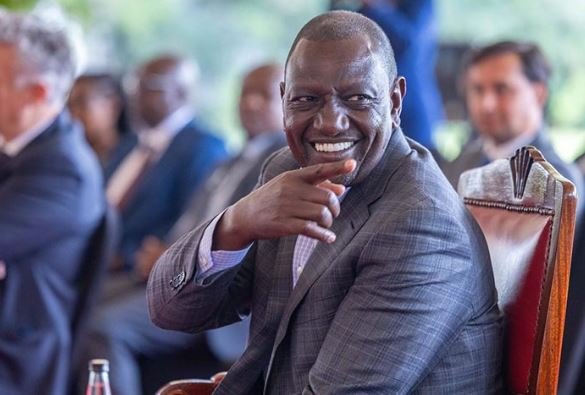
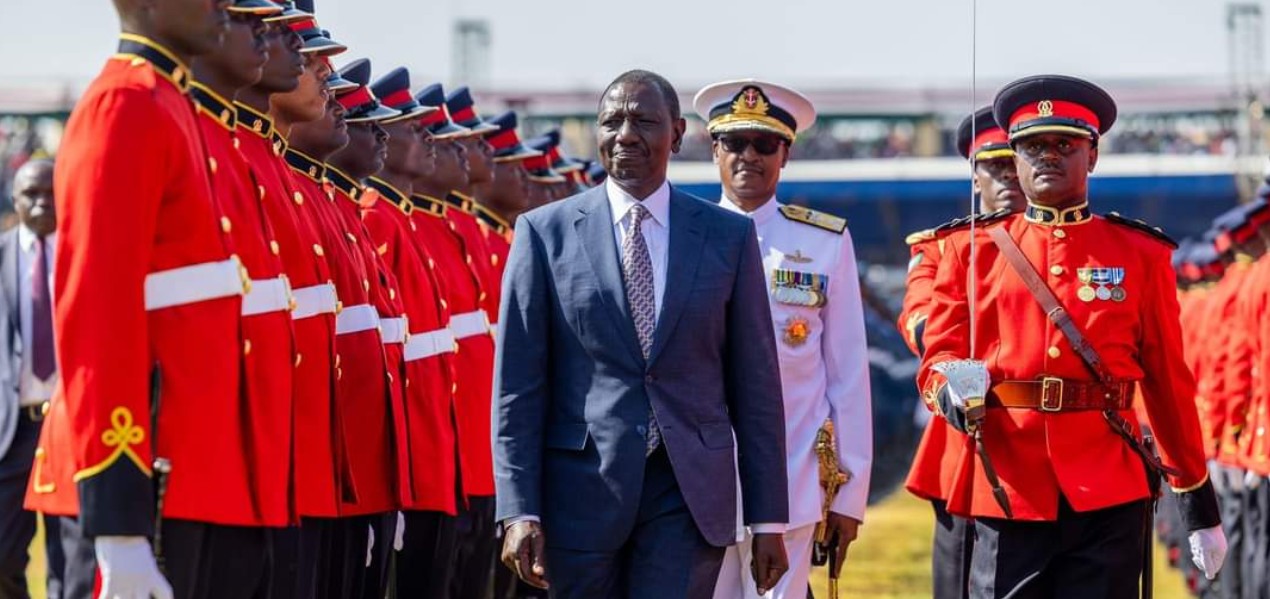
The Cabinet, chaired by President William Ruto on Monday, stated that the policy aims to strengthen governance, attract investment, enhance energy security, promote value addition and uptake of LPG, improve revenue management, and safeguard the environment.
Daily load-shedding
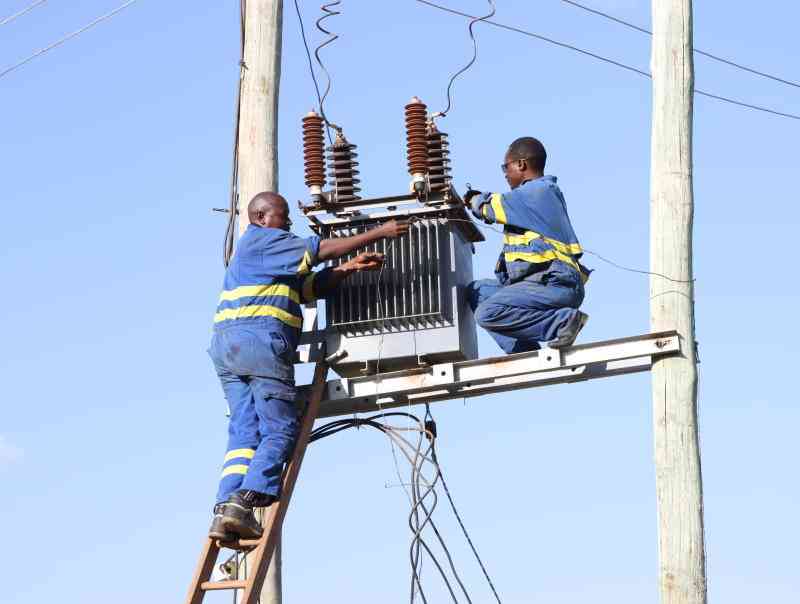
The approval comes after President Ruto acknowledged that Kenya has been forced into daily load-shedding between 5 pm and 10 pm to cope with rising power demand and maintain grid stability.
Addressing Kenyans in Doha, Qatar, Ruto said the country’s current energy capacity is insufficient for domestic and industrial needs.
“Today in Kenya, between 5 pm and 10 pm, we have to do load-shedding. We have to shut off some areas to power other areas because our energy is insufficient. One data centre requires 1,000 megawatts, but we only have 2,300 megawatts,” he said.
Expand electricity generation
The President outlined plans to expand electricity generation, noting that peak power demand currently stands at 3,158 megawatts.
“If we have to industrialise and engage in manufacturing, we need a minimum of 10,000 megawatts of energy. We need to build at least 50 mega dams: High Grand Falls Dam, Soin Koru Dam,” Ruto said.
He also indicated that raising the over Sh1 trillion needed to fund the expansion is feasible.
“We need Sh1.2 trillion, that is just about maybe 10 to 12 billion dollars. We can raise that money. Si tumeraise hii ya affordable housing? Sh600 billion. We have raised it. But this one, we can raise it even without any levy, tutatumia akili tu,” the President said.
Other Topics To Read
Kenya Power has supported Ruto’s explanation, noting that the grid has recently been overwhelmed, particularly after sunset when solar power declines and wind-power supply drops. While no specific start time for load-shedding was given, the utility said scheduled rationing has been implemented for its roughly 10 million customers.
Innovative financing model
On infrastructure, the Cabinet approved an innovative financing model to mobilise funds for priority transport projects, including the Naivasha–Kisumu Standard Gauge Railway Phase 2B, the SGR link to Uganda, the Nairobi Railway City Central Station, Bus Rapid Transit Lines 2 and 3, as well as commuter rail and non-motorised transport projects.
The Cabinet also noted that all pending bills for certified works and accrued interest under the Ministry of Roads, up to 31 December 2024, have been fully settled.
It added that the ministry has paid Sh123 billion, restoring contractor confidence and enabling works to resume nationwide. Since April 2025, this payment programme has unlocked or accelerated 875 road contracts.
Top Stories Today